
Local SEO for Health Providers: Show Up in “Near Me” Searches
If you are a health professional, being good at what you do is only part of the equation. People also need to be able to find you at the exact moment they are looking for care. That’s where local SEO comes in.
When someone types in near me searches, like “dietitian near me,” “therapist in [city],” or “nutrition counseling close by,” Google is making fast decisions about who feels most relevant, trustworthy, and local. This post breaks down how local SEO works for health professionals and what actually helps you show up in those searches.
What Is Local SEO?
Local SEO is the practice of optimizing your online presence so your business appears in location-based searches. These are searches that include:
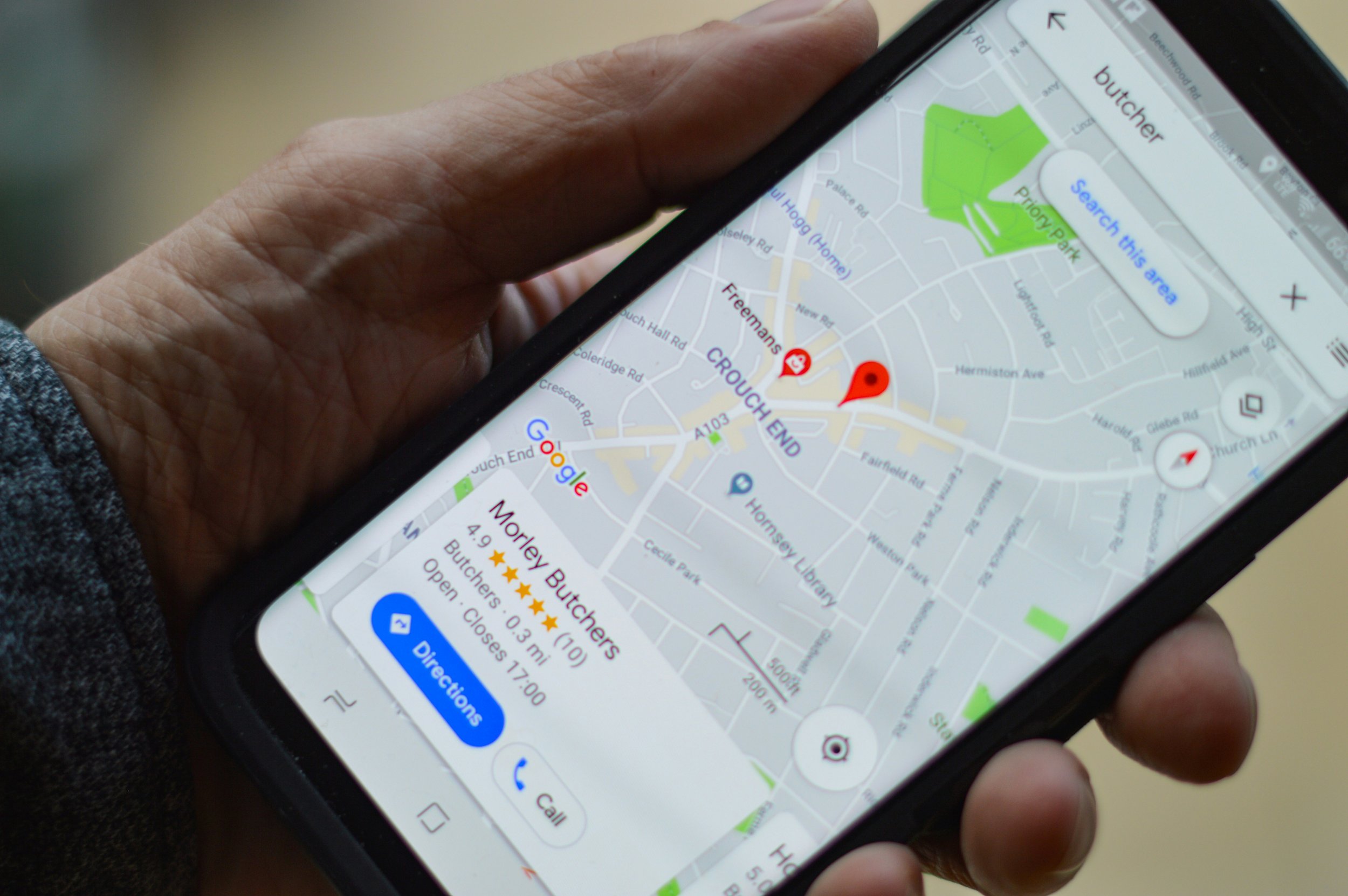
“near me”
a city, town, or neighborhood
map-based results (Google Maps)
For health professionals, local SEO matters because:
Most people want care that feels accessible and nearby
Trust and credibility are heavily tied to location and reviews
Google prioritizes local relevance over general authority for these searches
Even if you offer telehealth, Google still wants a geographic anchor to understand where your business belongs.
How Google Decides Who Shows Up in “Near Me” Searches
How Google Decides Who Shows Up in “Near Me” Searches
A Note on AI Overviews
You may have noticed Google’s AI Overviews appearing at the top of some search results. These summaries pull information from multiple trusted sources to answer a question quickly.
For local searches, AIO does not replace local SEO. Google still relies on the same local signals (relevance, distance, and prominence) to decide which businesses get surfaced, cited, or summarized in AI-powered results. Practices with clear service descriptions, strong location signals, and trustworthy websites are more likely to be reflected in AIO responses.
In other words, local SEO is now working both for traditional map results and AI-generated summaries.
Google looks at three main factors when ranking local results:
1. Relevance
How closely does your website and business listing match what the person is searching for?
This includes:
Clear service descriptions
Specific language (e.g., “eating disorder dietitian,” “trauma-informed therapist”)
Location-based keywords
2. Distance
How close is your business to the searcher’s location?
You cannot control where someone is searching from, but you can clearly signal:
Your city
Your service area
Your physical or registered business address
3. Prominence
How established and trustworthy does your business appear online?
This is influenced by:
Google reviews
Consistent business information across the web
Links from reputable local websites
Overall website quality
The Non-Negotiable is Google Business Profile
If you do nothing else for local SEO, claim and optimize your Google Business Profile.
This is what powers Google Maps results and the local 3-pack.
Make sure your profile includes:
Correct business name (no keyword stuffing)
Accurate address or service area
Phone number and website link
Primary and secondary service categories
A thoughtful, human-written business description
Regularly updating your profile with:
Photos
Posts
Service updates
signals activity and legitimacy to Google. *Bonus points if you track local search performance through Google Search Console.
Location Pages
One of the most effective (and underused) local SEO strategies is dedicated location pages.
Instead of listing every city you serve on one page, create individual pages such as:
Nutrition Counseling in Portland, ME
Eating Disorder Dietitian in Boston, MA
Telehealth Nutrition Services in New Jersey
Each page should include:
The city or region in the page title and URL
A clear description of who you help in that location
How your services meet the needs of people in that area
Natural mentions of nearby landmarks, communities, or regional context
Avoid copy-pasting the same content with just the city name swapped. Google can tell.
Reviews Matter More Than You Think
For health professionals, reviews are sensitive but powerful.
Google looks at:
Quantity of reviews
Recency
Consistency over time
Ethical ways to build reviews include:
Asking clients who feel comfortable
Encouraging colleagues or referral partners to leave professional reviews
Responding thoughtfully to reviews without sharing private information
You do not need dozens overnight. Slow, steady, authentic reviews win.
Consistent NAP: Name, Address, Phone
Google checks whether your business information matches everywhere it appears online. Citation building for local SEO is another underused strategy for increasing online visibility.
This includes:
Your website
Google Business Profile
Psychology Today, Healthgrades, Zocdoc, etc.
Local directories
Even small inconsistencies (Suite vs. Ste., old phone numbers) can hurt trust.
A simple audit and cleanup can make a noticeable difference.
Website Signals That Support Local SEO and AIO Visibility
Your website does double duty now: it supports traditional rankings and helps Google’s AI understand your expertise and location.
Your site should quietly reinforce your location and authority throughout, including:
City and state in your footer
Location-based meta titles and descriptions
Clear contact and directions pages
Schema markup (Local Business or Medical Business)
Plain-language explanations of your services and who you help
AI Overviews favor clear, well-structured, human-readable content. Pages that answer real questions directly (without fluff or keyword stuffing) are more likely to be summarized or referenced. Read more about common local SEO mistakes.
Local SEO is not about gaming the system. It is about making your expertise easy for both people and AI to understand.
Telehealth and Local SEO
If you offer telehealth, local SEO for wellness professionals still matters.
Google needs to understand:
Where your business is based
Which states or regions you legally serve
Clear language like:
“Based in [City, State], providing telehealth nutrition counseling to clients across [States].”
helps both users and search engines.
What Local SEO Is Not (Even in the Age of AI)
A few common misconceptions:
It is not instant
It is not just keywords
It is not replaced by AI Overviews
It does not require being on every directory
AI does not eliminate the need for local SEO. It depends on it. Local SEO is cumulative. Small, consistent improvements compound over time.
Local SEO works best when it mirrors real-life care:
Clear
Trustworthy
Grounded in place and community
AI Overviews reward the same qualities your clients value: clarity, credibility, and relevance. You do not need to outsmart Google or AI. You need to help them understand you. If you are a health professional who wants to be found by the people already searching for your services, local SEO remains one of the most sustainable ways to do that, even as search evolves.
FAQs About Local SEO for Health Providers
-
To rank in “near me” searches, you need strong local signals. This includes a fully optimized Google Business Profile, consistent name, address, and phone number across the internet, location-specific website pages, and authentic client reviews. Google prioritizes relevance, distance, and prominence, so your website and listings should clearly state what you do and where you practice.
-
Yes. Even telehealth providers need a geographic anchor. Google uses your business location and licensed service areas to determine where you are eligible to appear. Clear language like “Based in [City, State], serving clients across [States] via telehealth” helps both traditional search results and AI Overviews understand your reach.
-
Your Google Business Profile is the foundation of local SEO. It powers Google Maps results and the local 3-pack. After that, consistent business information (NAP), quality reviews, location pages, and clear service descriptions on your website significantly impact visibility.
-
Local SEO is cumulative. You may see small improvements within a few weeks after optimizing your Google Business Profile and cleaning up citations, but meaningful traction often builds over several months. Consistency, reviews, and steady website improvements compound over time.
Want Help With Local SEO and AI Optimization?
If local SEO feels overwhelming or you are tired of chasing half-explained tactics, you do not have to figure this out alone.
We work with health professionals who want to be:
Findable without feeling promotional
Clear about who they help and where they practice
Positioned for both local search and AI-driven discovery
Whether you need a full website audit, location page strategy, or help translating what Google actually wants into plain English, support can be collaborative, ethical, and grounded. If you want your website to work harder without sounding like marketing copy, reach out.